Storage.com
Clear the clutter. Keep what matters.
Compare U.S. storage units for the furniture and seasonal gear you want to keep after a cleanout.
Compare nearby storage unitsType your ZIP code or city to see nearby recycling drop-offs, scrap yards, transfer stations, and e-waste recyclers, each with hours, phone number, accepted materials, and directions. Call ahead on holidays.
Directory coverage: 6,479+ recycling centers.Updated 2026-08-29.


RecycleFind publishes free recycling calculators for scrap value, carbon impact, waste diversion, and junk removal. RecycleFind does not charge users to use these tools.
Calculate how much money you can save or earn through bottle deposits, reduced waste fees, and scrap metal sales.
Calculate the CO2 emissions you save through recycling and see your environmental impact in relatable terms.
Estimate the financial return on investment from implementing or improving a commercial recycling program.
RecycleFind publishes scrap calculators and material pages. RecycleFind lists recycling centers by material, city, and state.
Scrap value, carbon, diversion, and junk removal
13 categories, 94+ items
RecycleFind publishes an AI regulation checker for local recycling rules by item and location.
Try AI Regulation CheckerFind local drop-offs by the material you actually have. The directory covers the right recycling centers for all your sustainability needs.
Find centers that accept various plastic types including PET, HDPE, PVC, LDPE, PP, and PS. Proper plastic recycling helps reduce landfill waste and conserves resources.
Most municipal recycling programs accept plastics #1-5, but acceptance varies by location. Always check the number on the bottom of containers and rinse them clean before recycling.
Locate centers that recycle paper products including newspapers, magazines, cardboard, and office paper. Paper recycling saves trees and reduces landfill waste.
Recycling one ton of paper saves 17 trees, 7,000 gallons of water, and enough energy to power an average home for six months. Most paper can be recycled 5-7 times before the fibers become too short.
Find scrap metal buyers and facilities that accept aluminum, copper, brass, steel, and other metals. Metal recycling conserves energy and natural resources while reducing greenhouse gas emissions.
Scrap metal has real value. Many facilities pay by weight, with copper typically fetching $2-4/lb, aluminum $0.30-0.80/lb, and steel $0.05-0.15/lb depending on market conditions and metal grade.
RecycleFind lists e-waste drop-off for computers, phones, TVs, and other electronics. Look for R2 or e-Stewards certification when the load includes stored data or batteries.
Circuit boards and connectors contain recoverable metals. Tube TVs and monitors can contain leaded glass. Wipe or destroy storage before drop-off.
Find specialized recycling locations for batteries, light bulbs, paint, and other hard-to-recycle items. These materials require special handling to prevent environmental contamination.
Many retailers offer free battery and light bulb recycling. For hazardous materials like paint and chemicals, check for local collection events or household hazardous waste facilities.
Recycling uses less energy than making the same material from ore or pulp. EPA Facts and Figures (2018) still show most U.S. plastics unrecycled.
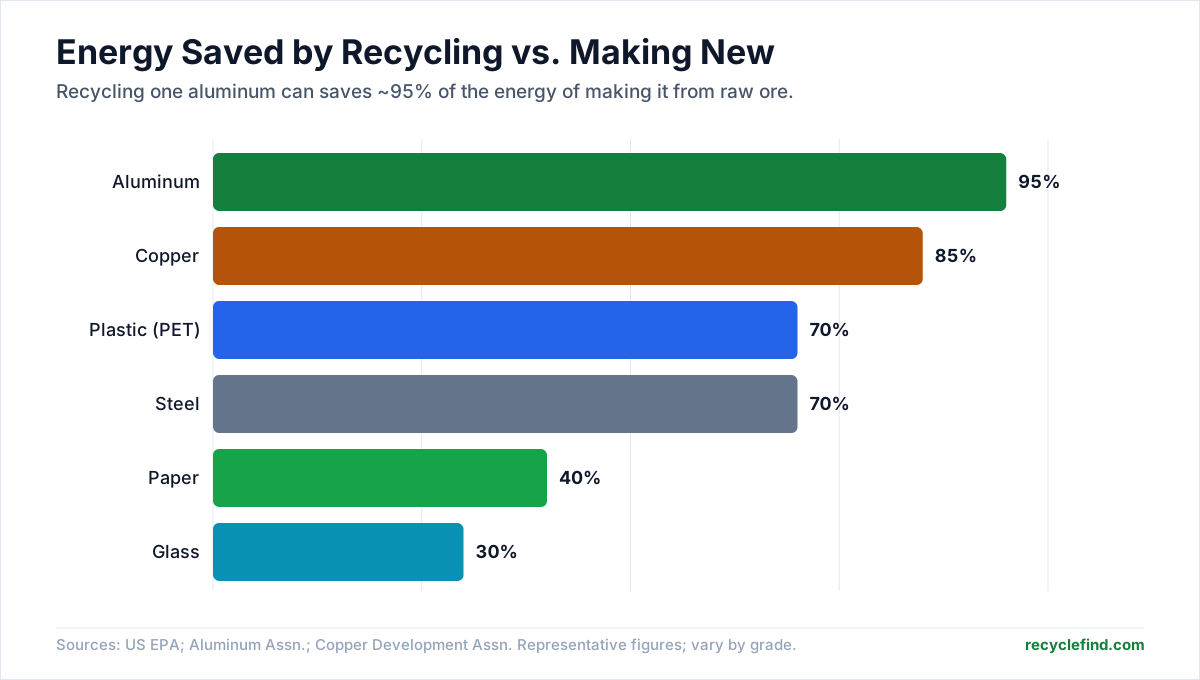
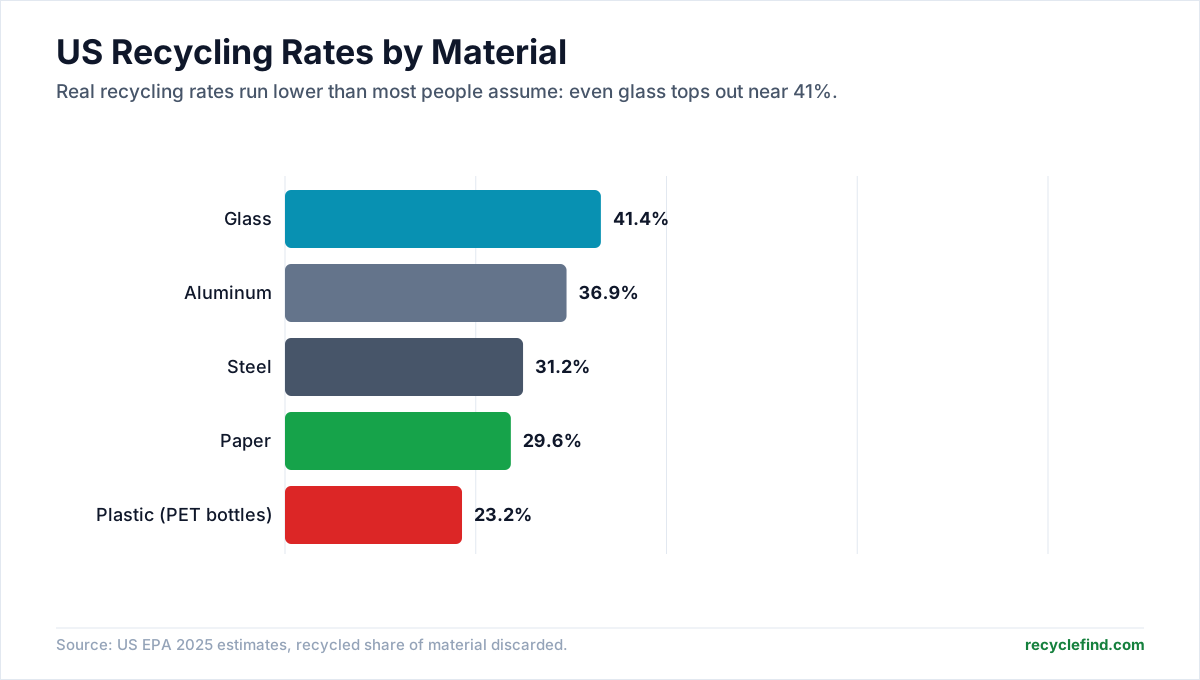
RecycleFind publishes a U.S. recycling statistics report with sources and material-level rates.
Not every local recycling center accepts the same materials. Search by location, check what each site takes, and confirm the details before you visit.
Find nearby recycling centers, drop-off sites, scrap yards, and e-waste facilities.
Confirm whether it takes your specific item, from electronics and batteries to cardboard, appliances, or scrap metal.
Check hours, fees, ID requirements, and preparation instructions. Call ahead when the item is unusual or hazardous.
Drop off materials during business hours, or use a pickup service where one is available for larger loads.
Get answers to common questions about recycling centers and services
Enter your ZIP code, city, or the material you want to recycle. RecycleFind shows nearby locations with hours, accepted materials, directions, and contact details.
Many recycling centers pay for scrap metals including aluminum cans, copper wire, brass, steel, and iron. In states with bottle deposit laws, you can return beverage containers for cash. Some facilities also purchase car batteries, catalytic converters, and electronic waste containing precious metals. Check with individual facilities for current prices and accepted materials.
Scrap metal recyclers pay by weight for metals like aluminum, copper, and steel. Municipal recycling centers and drop-off locations often accept materials without payment. RecycleFind listings show whether a facility buys recyclables, and many include pricing for common metals.
Recycling center hours vary by location and facility type. Most operate during standard business hours (Monday-Friday, 8 AM-5 PM), with some offering Saturday hours. Many facilities close on Sundays and holidays. RecycleFind lists hours of operation on each recycling center page. Call ahead to confirm before visiting.
Different items require specialized recycling facilities. Electronics (e-waste) should go to certified e-waste recyclers. Batteries can be recycled at most hardware stores and battery retailers. Paint recycling is available through hazardous waste programs. RecycleFind filters listings by material and publishes material guides with recycling steps for hundreds of items.
Search RecycleFind by ZIP or city, then filter for scrap metal. Scrap yards buy aluminum, copper, brass, and steel by weight; municipal recycling centers usually do not pay. Start at search or browse scrap metal recycling centers for yards that list hours, accepted metals, and contact info.
Recycling centers typically accept a wide variety of materials (paper, plastic, glass, aluminum) and may be free municipal services. Scrap yards (also called scrap metal recyclers) specialize in buying and processing metals, paying by weight — automotive parts, appliances, construction scrap, and industrial metals. If you want payment, look for a scrap yard; if you just need drop-off, a municipal center is usually enough. Browse scrap metal recycling or search by ZIP to compare yards near you.
Sponsored resources
Compare self-storage nearby when a clean-out needs room for what you're keeping.
Find storage nearbyGet a real cash offer in about 2 minutes. Free towing, any condition, even if it doesn't run. No haggling, no phone calls.
See My Car's OfferClear the clutter. Keep what matters.
Compare U.S. storage units for the furniture and seasonal gear you want to keep after a cleanout.
Compare nearby storage unitsPut organic produce on your weekly menu
Explore Full Circle farm boxes and check delivery for your ZIP code.
Check delivery in my ZIPCarry your everyday essentials in a vegan bag
Explore Svala handbags and totes for errands, work and weekends away.
Shop Svala bags