Metal Scrapping for Beginners: Turning Junk into Cash
Published on May 13, 2025, 12:41 AM
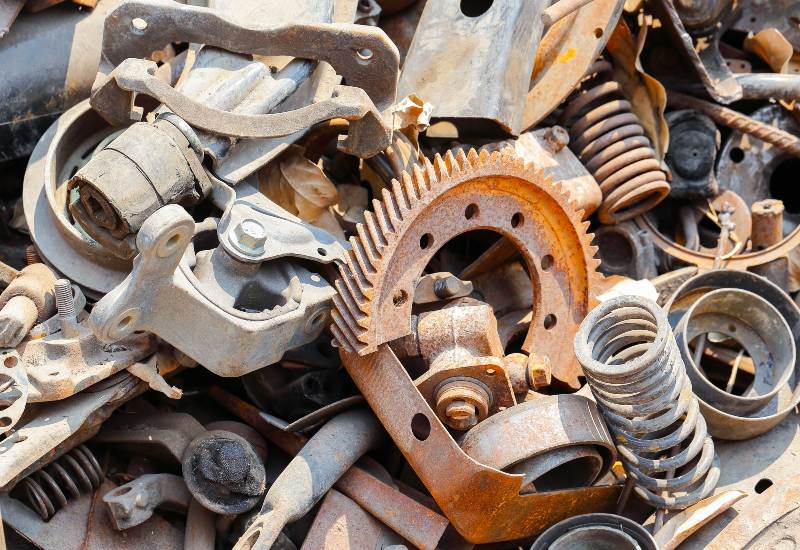
Want to make some extra money by turning old metal into profit? Metal scrapping is a great way to do it. You collect discarded metals, sort them out, and sell them to a scrap yard for recycling. This guide walks you through what you need to get started, how to identify valuable metals, and tips to get the best payout. Let’s jump in!
What You’ll Need to Start Scrapping
You don’t need a ton of gear to begin, just a few tools to help you sort and break down what you find. Here’s the essentials:
- A magnet. This is your go-to for figuring out if a metal is ferrous (magnetic, like iron) or non-ferrous (non-magnetic, like copper or aluminum).
- Wire cutters for slicing through cables and wires.
- Tin snips for cutting thin sheet metal or light wires. Avoid heavy stuff, or they’ll dull quickly.
- Adjustable grips, like Channel Locks, with a wide mouth for taking things apart.
- A multi-head screwdriver to remove screws from appliances or other items.
- Gloves to keep your hands safe from sharp edges and grime.
If you want to work faster, a cordless drill with a long Phillips head bit can save you time when dismantling bigger items.
Sorting Metals with the Magnet Trick
The easiest way to sort metals is with a magnet. It splits them into two main groups: ferrous (magnetic) and non-ferrous (non-magnetic). Here’s what that means for you.
Ferrous Metals
These contain iron, so they stick to a magnet. They’re everywhere, but they don’t pay as much per pound. Still, they can add up if you collect enough.
You’ll find ferrous metals in things like old washing machines, dryers, stoves, microwaves, steel bars, or bed frames. A full truckload might earn you $40 to $100, depending on the scrap yard. Prep is easy. Stickers, small screws, or plastic bits can usually stay on. But check for valuable non-ferrous metals, like copper wiring in a microwave, and pull those out to sell separately. If you’re tight on space, stick to dense items like steel bars over bulky, lightweight stuff.
Cast iron is a ferrous metal worth a bit more. Look for brake drums or rotors ($1 to $3 each), heavy grills, or old bathtubs.
Non-Ferrous Metals
These don’t stick to a magnet and are usually worth more per pound, so they’re what you’ll want to hunt for. Let’s go through the main ones.
Insulated Copper Wire
This is copper wire still wrapped in plastic insulation. Scrap yards grade it based on how much copper they can recover.
- Top-grade (Number 1) is thick, solid-core wire that holds its shape when bent. Ask your yard what qualifies.
- Number 2 is common in power cords or appliance wires.
- Number 3 is low-value stuff like Christmas lights, where there’s more plastic than copper. Stripping these is rarely worth it unless the bulbs are large.
Some yards ask you to remove connectors from Number 2 wire, so check their rules. Watch out for coaxial cables (like for TV or internet), which often have a steel core and won’t count as copper. Same goes for copper-coated aluminum; it’s light and flexible but not valuable. If your yard sorts CAT5/CAT6 cables or heavy BX cables separately, those can bring in extra cash.
Aluminum
Aluminum is light, bendy, and silvery-white, making it one of the most common non-ferrous metals.
Thin stuff, like siding or baking trays, is called old sheet aluminum, and you’ll need a lot to make it pay off. Aluminum extrusion is stronger and purer, found in window frames or railings with clean, machined edges. It scratches easily and has no seams. Cast aluminum is light and brittle, used in things like waffle irons or tool bases; you can test it by hitting it with a hammer. Wheel rims and car radiators have their own grades too.
When prepping aluminum, remove all non-aluminum parts like screws, plastic, or rubber. Yards are strict because aluminum is so light that even a little steel can push you over their contamination limit, dropping your payout. Dirty aluminum might get labeled “breakage,” which is worth almost nothing.
Bare Copper
Bare copper is the prize: uncoated, reddish (or green if oxidized), heavy, and bendy with a faint metallic smell. You might find it in microwave transformer windings (hard to extract) or the degaussing cable in old CRT TVs. Scrapping whole appliances like these often only nets $4 to $8.
Yards grade it as Number 2 (with solder or paint), Number 1 (clean but maybe tarnished), or Bare Bright (shiny and new, the most valuable). Cut off any contaminated bits to boost the grade.
Brass
Brass, a copper-zinc mix, is tougher than copper and found in faucets, fittings, or door handles. Scratch plated ones to reveal the yellow underneath. It’s dense, so it adds up fast, and old brass-copper car radiators are a great score. Clean brass is worth about three times more than dirty brass, so strip away steel or plastic, even if it’s tricky.
Lead
Lead is crazy heavy and soft enough to scratch with your nail. You’ll find it in car batteries, old windows, roofing sheets, or wheel weights. Aim for at least $0.30 per pound, and shop around for the best rate.
Other Stuff Worth Grabbing
Keep an eye out for these valuable extras:
- Old computers, phones, or circuit boards (e-waste) have tiny amounts of gold and silver. Sell parts like motherboards or RAM separately.
- Electric motors have copper windings. Bigger ones are better; small ones need to pile up.
- Stainless steel is usually non-magnetic, heavier than aluminum, and rust-free. Think kitchen sinks or commercial equipment. It pays like aluminum but weighs more.
- Catalytic converters from cars have platinum and palladium. They’re valuable but get stolen easily, so secure them.
- Carbide tips on industrial drill bits can fetch around $10 per pound.
What to Skip
Some things aren’t worth your time. Fridges, AC units, or water coolers might only bring $4 to $8, and messing with them risks releasing Freon, which is bad for the environment. Leave those to professionals who can handle the refrigerant safely.
Is Stripping Wire Worth It?
Stripping insulation off copper wire can upgrade it to bare bright, but it’s only worth the effort for wires thicker than a pencil. A utility knife works if you’re careful, but a wire stripping tool is safer and faster for big jobs.
Okay, so you've got the basics down. Now, let's talk about taking your scrapping game up a notch. As someone who's hauled more rusty gold than I can count, here are a few more pointers:
Hunting Grounds: Where to Score More Scrap
Finding scrap is an art form. Sure, you can find stuff on the curb, but branch out:
- Curb Alerts & "Free" Piles: Keep an eye on neighborhood discard days or online marketplaces for "free stuff" listings. One person's junk is literally your treasure.
- Ask Local Businesses: Small auto repair shops, plumbers, electricians, or HVAC companies often have scrap metal they need to get rid of. Be polite, offer to haul it away regularly, and you might find a steady source. Always get permission!
- Construction & Demo Sites: These can be goldmines, but never enter a site without explicit permission from the foreman or owner. Safety is paramount, and they have liability concerns. If you get the okay, be respectful and stay out of their way.
- Appliance Repair Shops: They often have dead washers, dryers, and fridges (remember the Freon rule for fridges/ACs – maybe they've already had it professionally removed, ask!).
- Networking: Tell friends, family, and neighbors you're scrapping. You’d be surprised how many people have old metal items they’d love for you to take off their hands.
Scrap Yard Smarts: Getting the Most Bang for Your Buck
Your relationship with the scrap yard matters. Finding a reputable recycling center or scrap yard and building a good relationship can make all the difference.
- Know Their Rules: Every yard is a bit different. Some are pickier about sorting than others. Ask questions, watch what other scrappers do, and learn their system.
- Cleanliness Counts (Especially for Non-Ferrous): We talked about this, but it bears repeating. A little extra effort cleaning your copper, brass, and aluminum can mean a big difference in price. If they have to spend time cleaning your stuff, they'll pay you less.
- Watch the Scale: Make sure the scale is zeroed out before your load is weighed (if you can see it). Most yards are honest, but it doesn’t hurt to be aware.
- Build a Relationship: Be friendly and respectful with the yard staff. If they know you and trust you bring in properly sorted material, they might be more helpful or even offer slightly better grading on borderline items down the road.
- Prices Fluctuate: Metal prices change daily, like stocks. You can try to time the market, but for beginners, it's usually better to just take it in when you have a decent load. Some yards post their prices, or you can call ahead.
Level Up Your Toolkit (When You're Ready)
Once you're serious, a few more tools can make life easier:
- Reciprocating Saw (Sawzall): Fantastic for cutting through metal pipes, frames, or stuck bolts. Get good bi-metal blades.
- Angle Grinder: Useful for cutting thicker metal or grinding off attachments. Always use eye and face protection with this bad boy!
- Bolt Cutters: For quickly snipping through thicker wires, cables, or small rods.
- Crowbar/Pry Bar: Essential for prying things apart.
- Heavy-Duty Buckets or Bins: For sorting and hauling smaller, valuable non-ferrous metals.
A Word on Safety (Don't Skip This!)
This isn't just about gloves. Scrapping can be dangerous if you're not careful.
- Eye Protection: Always wear safety glasses, especially when cutting, grinding, or hammering. Metal shards fly.
- Sturdy Footwear: Steel-toed boots are ideal. You're dealing with heavy, sharp objects.
- Lifting Safely: Bend your knees, not your back. Get help for heavy items. A dolly or hand truck can be a lifesaver.
- Tetanus Shot: Make sure you're up to date. You will get cuts and scrapes.
- Beware of Hazards: Watch out for sharp edges, chemicals in old appliances (less common now, but still possible), and unstable piles of junk.
Storing Your Stash & Hauling it Home
- Organize as You Go: Have separate containers (buckets, bins, barrels) for different metals. It saves a ton of time later. Keep ferrous separate from non-ferrous, and then sub-sort your non-ferrous (copper, brass, aluminum, etc.).
- Secure Your Load: When transporting your scrap, make sure it's properly secured in your truck or trailer. You don't want stuff flying out on the road. A good tarp and ratchet straps are your friends.
Tips to Get Going
Start small. Grab some scrap and practice with your magnet to get a feel for different metals. Swing by your local scrap yard and ask about their grading, especially for tricky stuff like insulated wire. Check out online forums or guides for more insights, and always clean up after yourself when collecting. Respect property lines too. No trespassing!
With a little practice, you’ll be turning trash into cash in no time. Happy scrapping!